Premier League Clubs Expand Ties with Unlicensed Gambling Operators Ahead of 2027 Ban Proposal
Written by Nils Carter · Sep 11, 2026

Premier League Clubs Expand Ties with Unlicensed Gambling Operators Ahead of 2027 Ban Proposal
Half of the Premier League’s 20 clubs now maintain sponsorship or advertising relationships with gambling companies that lack UK licenses, and this figure has risen from six earlier in the summer. Those arrangements place club revenue streams at risk from a proposed government ban slated for 2027. An eight-week consultation period on prohibiting such deals wrapped up this week in September 2026, and the timing aligns with the Premier League’s decision to enforce a voluntary ban on gambling firms serving as front-of-shirt sponsors for the current season.
Details of the Sponsorship Shift
Clubs have moved toward these partnerships as options within the licensed sector face tighter restrictions. The increase to ten clubs reflects active pursuit of revenue from operators outside the UK regulatory framework. Licensed operators such as Ladbrokes and William Hill have expressed disagreement with clubs over the direction of these deals, and the tension occurs alongside expansion in the unregulated market.
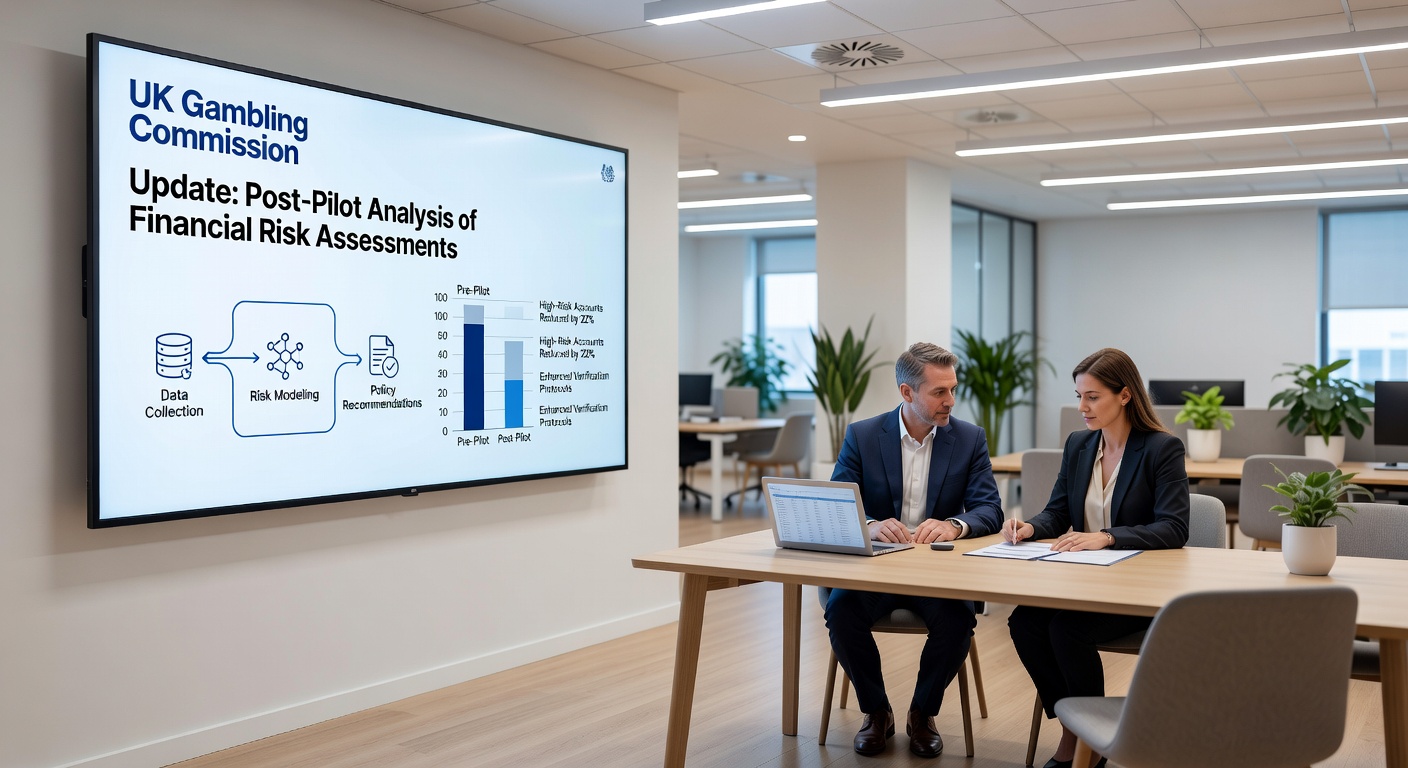
Revenue exposure stems directly from the pending prohibition, which targets deals with unlicensed entities. Clubs that entered these agreements earlier in 2026 now face the prospect of contract adjustments or revenue replacements once the ban takes effect. The consultation process gathered input from stakeholders across the industry before closing, and officials will review submissions to shape final policy language.
Government Consultation and Timeline
The eight-week consultation examined proposals to block sponsorship and advertising arrangements with gambling companies not licensed in the UK. Participants included club representatives, licensed operators, and regulatory bodies. The process concluded amid the ongoing Premier League season, where front-of-shirt placements already exclude gambling brands under the league’s voluntary measure.
Implementation of the broader ban remains set for 2027, giving clubs a window to evaluate existing contracts. Data from industry tracking shows the jump from six to ten clubs occurred over several months, and observers note that additional clubs could follow the same path before any rules finalize. The policy aims to limit exposure to operators outside UK oversight, where consumer protections and tax obligations differ.
Premier League Voluntary Ban in Context
The league’s voluntary ban on front-of-shirt gambling sponsors began with the current campaign and applies across all 20 clubs. This step preceded the government consultation outcome yet coincides with its closure. Clubs have shifted sponsorship placements to other areas of kits or to non-gambling partners, while some have explored deals beyond licensed UK entities.
Front-of-shirt visibility carries premium value for sponsors, and the removal of gambling brands from that position has redirected attention to sleeve, training kit, and stadium advertising options. Several clubs have retained relationships with unlicensed operators in these secondary categories, and the growth in such arrangements now covers half the league.
Position of Licensed Operators
Licensed companies including Ladbrokes and William Hill continue to hold existing agreements yet face competition from unlicensed entrants. These operators have raised concerns about competitive balance, and discussions with clubs center on contract stability once the 2027 rules activate. The unregulated market’s expansion provides clubs with alternative revenue sources that operate without the same licensing requirements or tax contributions.
Industry figures indicate steady growth in activity through unlicensed channels, and this trend intersects with the policy debate. Clubs weigh short-term revenue gains against the risk of future disruption, while licensed operators seek clarity on enforcement timelines and scope.
Revenue Implications for Clubs
Ten clubs currently carry exposure through these relationships, and any prohibition could require renegotiation or termination of contracts. Revenue replacement strategies may involve new commercial partners or adjustments to existing deals in permitted categories. The 2027 target date allows time for planning, yet the consultation’s conclusion accelerates the need for clubs to model different scenarios.
Observers track how many additional clubs might enter similar arrangements before rules tighten. The pattern from six clubs earlier in the summer to ten now demonstrates momentum in this direction, and further movement could occur during the remainder of 2026.
Conclusion
The combination of rising sponsorship ties with unlicensed operators, the closed consultation, and the league’s front-of-shirt restrictions sets the stage for changes ahead of 2027. Licensed operators remain at odds with clubs on the issue while the unregulated sector continues to grow. Clubs now hold ten active relationships that fall under the proposed prohibition, and the coming months will reveal how teams prepare for the regulatory shift.